Prioritizing Quality Investments: The Way Proper Restaurant Equipment Elevates Your Profits
In the competitive restaurant industry, the choice of equipment can greatly impact overall profitability. Superior appliances boost operational efficiency and workplace safety as well as lowering running expenses. In choosing the right restaurant appliances, considerations like power consumption, user comfort, and adaptability play essential roles. Recognizing these factors helps achieve superior service delivery and enhanced customer experience. However, many operators overlook the lasting advantages of making smart investments. What considerations should be prioritized to maximize returns?
Why Quality Equipment Matters in the Restaurant Industry
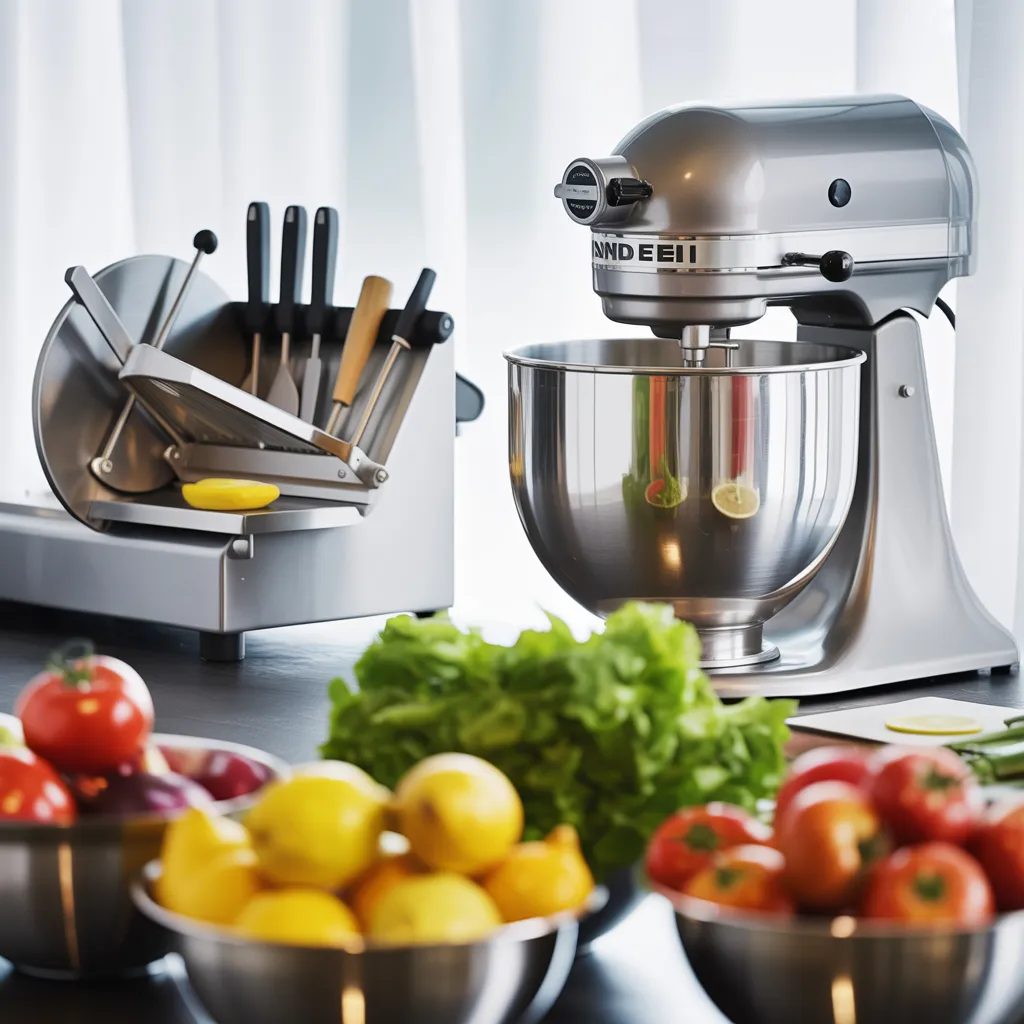
Premium equipment stands as the cornerstone of every successful restaurant operation. When restaurateurs invest in high-grade tools and appliances, they enhance efficiency, safety, and overall service quality. Trustworthy equipment limits operational downtime and repair expenses, freeing staff to dedicate their efforts to delivering remarkable customer experiences. Furthermore, long-lasting appliances frequently incorporate cutting-edge technology that enhances cooking precision and consistency, which is essential for upholding menu standards.
Additionally, quality equipment can lead to better energy efficiency, cutting down operational expenditures over the long term. This serves to strengthen the bottom line while also promoting sustainable practices throughout the industry. The initial investment may seem substantial, but the long-term benefits often outweigh the costs. At the end of the day, selecting high-quality equipment allows restaurant owners to enhance operational efficiency, fulfill customer needs, and create a welcoming dining experience, establishing it as a critical element in the competitive food service market.
Key Features to Evaluate When Selecting Restaurant Equipment
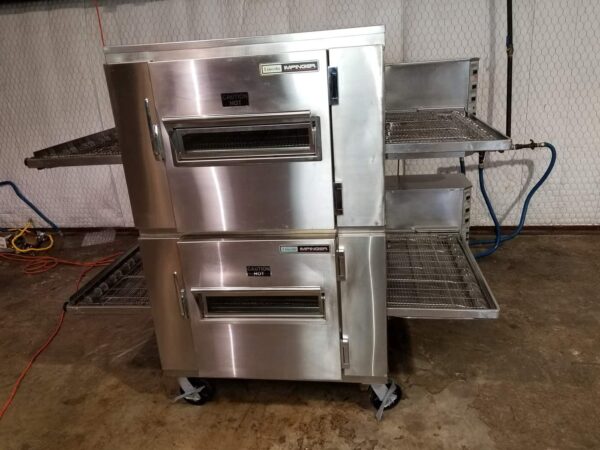
When evaluating restaurant equipment, multiple important factors require thoughtful evaluation to achieve maximum efficiency and long-term reliability. Durability is a top priority; equipment must endure the demands of constant use in a busy kitchen. Additionally, simplicity of maintenance serves a crucial function; equipment designed for straightforward cleaning and servicing helps minimize downtime and operational expenses.
Flexibility is an additional essential quality, enabling chefs to use equipment across various applications, enhancing menu flexibility. Dimensions and volume should also be evaluated to confirm that items integrate within the kitchen design while fulfilling production needs. Additionally, easy-to-use interfaces promote accelerated staff training and operational performance.
Additionally, evaluate the support and warranty offered by the manufacturer, as strong service plans can address possible problems. By evaluating these essential features, restaurant owners can reach informed decisions that enhance operational performance and success.
Energy Efficiency: A Key to Lower Operating Costs
Energy efficiency stands out as a critical factor in cutting overhead costs for restaurants, especially in a sector known for its narrow profit margins. Purchasing energy-efficient appliances can result in substantial reductions in utility expenses, which frequently represent a large share of total operating costs. For instance, ENERGY STAR-certified equipment operates with reduced energy consumption without sacrificing effectiveness, enabling restaurants to run more efficiently and cost-effectively.
Additionally, efficient equipment tends to have a longer lifespan, minimizing the need for frequent and costly replacements. Not only does this lower capital costs, but it also helps minimize unnecessary waste.
Beyond financial benefits, embracing energy-conscious strategies can boost a restaurant's standing, drawing in sustainability-minded patrons. As energy costs continue to rise, emphasizing efficiency proves to be a sound financial choice as well as a market differentiator. Through investing in energy-saving technology, food service proprietors can meaningfully boost their financial performance while advancing environmental sustainability.
How Ergonomics Can Boost Staff Productivity
Within the restaurant sector, ergonomics serves a vital function in boosting workforce efficiency. By optimizing workflow efficiency, lowering the likelihood of workplace injuries, and enhancing the comfort of employees, restaurants can create a more effective work environment. This investment not only benefits staff but also contributes to overall operational success.
Optimized Workflow Performance
Enhancing productivity in restaurant settings copyrights on the application of ergonomic concepts. By creating work environments that promote natural body movements, restaurants can streamline operations. Workspace configuration, tool positioning, and ease of access play critical roles in reducing unnecessary strain and fatigue. For instance, adaptable work areas allow staff to perform tasks comfortably, boosting performance and accuracy. Additionally, thoughtfully positioned equipment and materials minimize excessive reaching and bending, enabling a more efficient operation. When employees can operate with ease and fluidity, they are better positioned to sustain concentration and output. Committing to ergonomic improvements not only optimizes operations but also cultivates a more systematic setting, ultimately leading to enhanced guest experiences and operational excellence. Through deliberate decisions regarding workspace design, restaurants can achieve significant gains in operational efficiency.
Minimized Injury Risks
Applying ergonomic principles in dining establishment settings substantially lowers injury hazards among team members. By incorporating equipment built for comfort and usability, such as adjustable work stations and ergonomic floor mats, establishments can reduce the physical strain on employees. Thoughtfully designed equipment, like lightweight kitchen tools and simple-to-navigate carts, additionally reduce the likelihood of repetitive stress injuries. Educating employees about proper ergonomic techniques, such as appropriate lifting procedures and good posture habits, enhances awareness and promotes safer workplace habits. These practices not only benefit workers but also contribute to fewer on-the-job accidents, consequently minimizing lost time and associated costs. In the long run, prioritizing ergonomic tools and education fosters a safer work environment, which can improve general workforce efficiency and morale.
Improved Employee Comfort
Enhancing worker well-being by means of well-designed design considerably increases worker productivity in dining establishment workplaces. Through investing in tools that emphasizes ergonomic principles, dining establishments can build a work environment that minimizes physical stress and exhaustion. Adaptable work surfaces, comfortable chairs, and thoughtfully engineered culinary equipment allow workers to perform tasks more efficiently and comfortably. This not only leads to increased output but also fosters a healthy organizational culture, which can improve employee morale and retention. Moreover, workers who feel at ease are not prone to face workplace exhaustion, resulting in decreased employee attrition and recruitment costs. Ultimately, implementing ergonomic solutions is a wise investment that enhances operational efficiency and positively impacts the business's long-term profitability. By placing comfort at the forefront, restaurants discover here can build a stronger and more capable staff.
Selecting Restaurant Equipment That Elevates Customer Experience
A well-chosen selection of dining establishment equipment can significantly enhance the complete dining journey for customers. Premium equipment, such as advanced coffee machines or precision ovens, ensure that meals and drinks are delivered at optimal temperatures and taste profiles, enhancing satisfaction. Furthermore, aesthetically pleasing equipment, like stylish dishware or unique serving tools, enriches the dining space's character and solidifies its brand presence.
Efficient commercial kitchen appliances enhances the service process, permitting team members to deliver meals efficiently, which is vital for maintaining guest satisfaction. Additionally, appliances that ensure the safety of food, such as high-quality cooling units, cultivates credibility and confidence among patrons.
Finally, tech-based innovations, like electronic ordering platforms, can tailor the dining experience, making it increasingly engaging and pleasant. Through carefully selecting equipment centered around quality, aesthetics, and efficiency, restaurant operators can significantly improve the overall guest experience, leading to repeat business and positive word-of-mouth.
Why Flexible Equipment Is Essential for Menu Adaptability
Adaptable equipment serves a critical purpose in allowing dining establishments to modify their menus in response to evolving market trends and guest expectations. Through the integration of versatile kitchen tools, establishments can efficiently respond to market demands without necessitating major expenditure on new kitchen apparatus. As an example, a combination oven offers steaming, baking, and roasting capabilities, enabling culinary professionals to explore a wide variety of recipes while upholding reliable standards of excellence.
This adaptability not only improves creativity in menu planning but also optimizes kitchen workflows, reducing preparation time and limiting unnecessary food waste. Dining venues utilizing versatile tools can rapidly adapt to seasonal menu components or popular dietary trends, such as vegan alternatives or gluten-free selections.
In the end, investing in adaptable equipment enables restaurants to stay competitive and relevant, fostering a dynamic dining experience that attracts and retains customers. The flexibility to update menus effortlessly represents a critical strategy for achieving sustained growth in the rapidly shifting culinary landscape.
Strategies for Prolonging Equipment Lifespan
To extend the longevity of restaurant equipment, adopting a structured maintenance plan is vital. Furthermore, utilizing proper cleaning techniques can reduce equipment degradation, while detailed employee training protocols guarantee that employees operate equipment properly. Combined, these approaches establish a foundation for longevity and reliability in restaurant operations.
Routine Maintenance Schedule
Although many restaurant owners prioritize buying high-quality equipment, neglecting regular maintenance can lead to costly repairs and shortened lifespans. Creating a consistent maintenance schedule is crucial for guaranteeing that equipment functions efficiently and dependably. This plan should encompass systematic checks and maintenance of essential components, such as filters, seals, and electrical connections. It is beneficial to log maintenance tasks to track performance and detect recurring issues. Moreover, teaching staff to spot early warning signs of wear can keep minor issues from developing into larger problems. By emphasizing maintenance, restaurant owners can reduce downtime, improve food safety, and ultimately prolong the lifespan of their investments. A forward-thinking approach to equipment maintenance leads to substantial long-term savings for the business.
Correct Cleaning Methods
Maintaining cleanliness is critical for prolonging the life of restaurant equipment. Regular cleaning reduces the accumulation of grease, grime, and food residue that can result in surface corrosion and operational failure. Selecting the right cleaning products is of utmost importance; harsh chemicals may damage surfaces, while gentle, food-grade cleaning solutions effectively remove grime without harm. Staff should employ proper techniques, such as using soft cloths and non-abrasive sponges, to avoid scratching delicate surfaces. Additionally, regular thorough cleaning sessions should be planned to target difficult-to-access spots and ensure complete cleanliness. Carefully observing equipment-specific guidelines provided by manufacturers is essential, as each type may have distinct cleaning requirements. Implementing these methods plays a key role in maximizing equipment durability and preserving top-tier operational efficiency in a busy restaurant environment.
Professional Operator Training Programs
Executing extensive personnel training programs is fundamental for maximizing the lifespan of restaurant equipment. These programs confirm that staff comprehend the proper usage and maintenance of each piece of equipment, minimizing the risk of misuse and accidental damage. Training should address operational techniques, safety protocols, and scheduled cleaning practices, all adjusted to distinct equipment classifications. Regular refresher courses can reinforce best practices and incorporate any new machinery introduced to the kitchen. Additionally, fostering a culture of accountability encourages staff to assume responsibility for equipment care. By investing in extensive training, restaurant operators can substantially maximize the life of their equipment, ultimately enhancing efficiency and reducing long-term costs. This strategic approach supports the business's overall financial health.
When Is the Right Time to Upgrade Your Restaurant Equipment for a Better ROI?
When is the best time to update restaurant machinery for optimal financial returns? Timing can greatly impact profitability. Operators should consider upgrading when machinery regularly fails or incurs significant repair costs, as those expenditures may surpass the value of maintaining older appliances. Furthermore, if current machinery does not comply with modern health and safety regulations, it can cause regulatory fines or temporary closures, ultimately harming the bottom line.
Another key indicator is a marked reduction in performance, such as increased time to complete cooking or greater power draw. Switching to more efficient units can reduce utility costs and boost overall performance. Moreover, when new menu items are introduced, it may necessitate equipment that can accommodate greater output or specialized cooking techniques. At the end of the day, evaluating performance, costs, and business growth will enable managers to pinpoint the ideal time to acquire modern appliances, ensuring improved ROI and a competitive edge in the market.
Questions We Often Receive
What Are the Best Ways to Finance Restaurant Equipment Purchases?
For financing restaurant equipment purchases effectively, there are options to consider such as equipment financing, leasing, or small business loans. Reviewing interest rates and terms secures the most suitable options suited to the restaurant's unique financial circumstances and requirements.
Which Brands Are Recognized for High-Quality Restaurant Equipment?
Numerous manufacturers are well-known for superior restaurant equipment, including Vulcan, Hobart, and True. These brands are known for their performance, reliability, and durability, making them popular choices among restaurant owners seeking to enhance their operations.
Are There Warranties Available for Restaurant Equipment?
Indeed, many manufacturers include warranties for restaurant equipment, generally covering a period of one to five years. Such warranties can cover labor and parts, providing assurance to business owners concerning the lasting quality and performance of the equipment they invest in.
What Are the Responsible Methods for Disposing of Old Restaurant Equipment?
To dispose of outdated commercial kitchen equipment in an environmentally conscious manner, individuals should reach out to nearby recycling facilities, give working items to nonprofit organizations, or hire specialized disposal services that comply with environmental guidelines, guaranteeing the responsible and eco-friendly disposal of equipment.
Which Trends in Restaurant Equipment Technology Should I Be Watching?
Current advancements in restaurant equipment technology include energy-efficient appliances, smart kitchen devices, automation for efficiency, and eco-conscious materials. These breakthroughs work to improve operational efficiency, minimize financial expenditures, and advance green initiatives within the commercial kitchen sector.